INFORMATION CENTER / BIT SELECTION

Start with the ground.
Build the right bit.

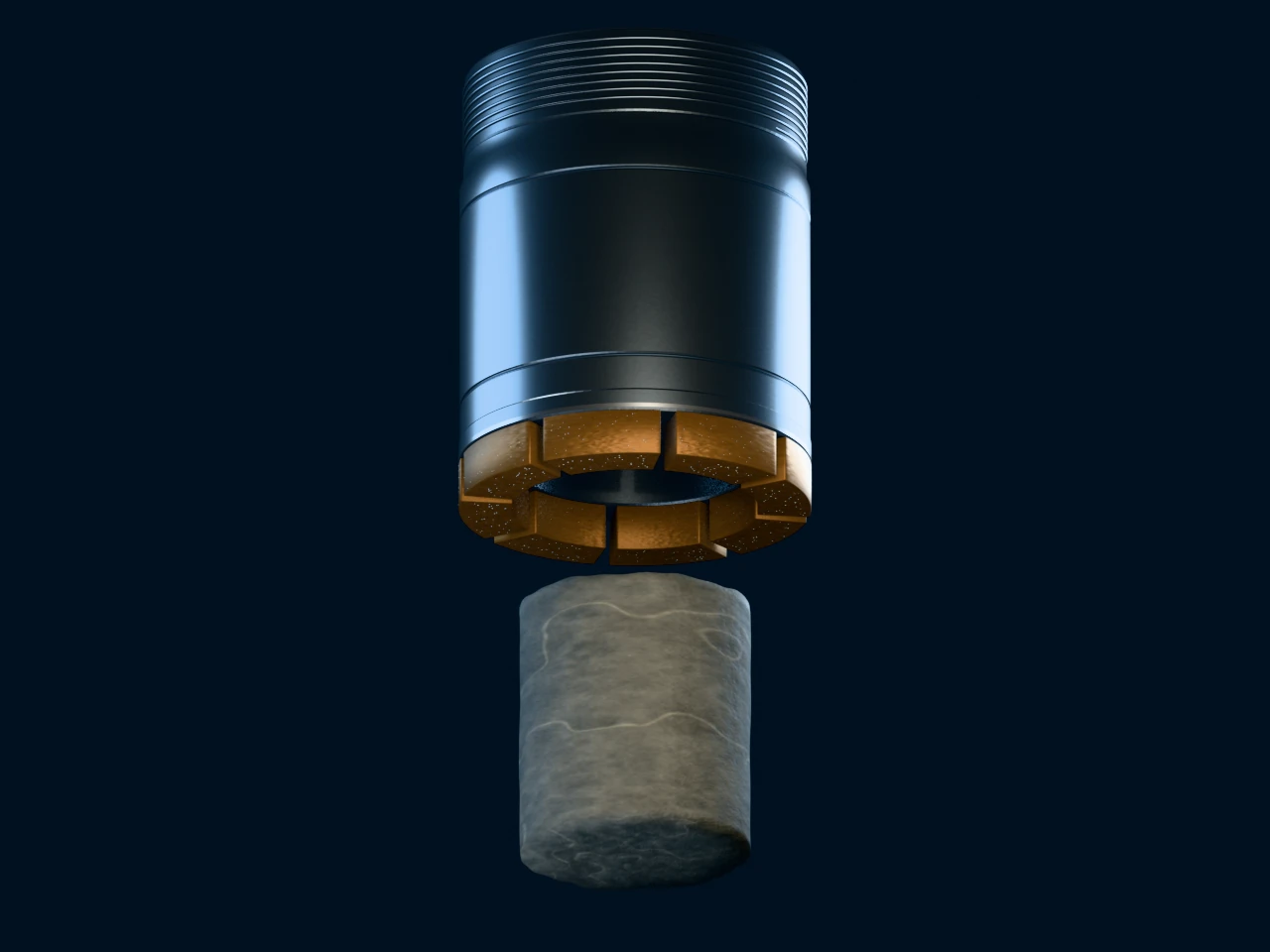
Follow the decisions that shape an impregnated diamond core bit, from the formation to the first run.

Begin the guide
01—06Scroll to explore
Inside a diamond core bit

STEP 01 OF 06 / The ground

Read the formation first.

Rock hardness tells only part of the story. Abrasiveness governs how quickly the matrix wears; fractures affect impact, stability and core recovery. Record all three before choosing a bit.

Hardness
How difficult is the rock to cut? Use the geological log and available test results.
Abrasiveness
Will mineral grains and cuttings strip the matrix quickly?
Structure
Is the interval solid, fractured or interbedded? Plan for changes down the hole.
Grain size
Fine-grained, hard rock may not wear the matrix readily. Coarse grains and mixed mineralogy can change cutting response even within the same rock type.

A hard rock is not necessarily abrasive. Assess these properties separately.
STEP 02 OF 06 / The matrix

Let the matrix renew the cutting face.

Diamonds cut the rock. The surrounding metal matrix holds them in place and wears to reveal fresh crystals. The aim is a controlled wear rate that keeps useful diamonds exposed.

The matrix wears as the cutting diamonds are consumed.

Hard, less abrasive ground
Often needs a more readily wearing matrix to expose fresh cutting edges.
Abrasive ground
Often needs a more wear-resistant matrix to retain the diamonds.
Crown profile
Face shape changes starting contact and cutting pressure. Specify the profile with the bit size and formation; waterway shape is a separate decision.

Matrix grade numbers are manufacturer-specific. Select by the formation and the Ore Dynamics grade chart; a number is not a universal hardness scale.

STEP 03 OF 06 / The waterways

Give the cuttings a route out.

Drilling fluid cools the bit and transports cuttings away from the face. Waterway width, depth and layout influence circulation, fluid pressure and the amount of crown in contact with the rock.

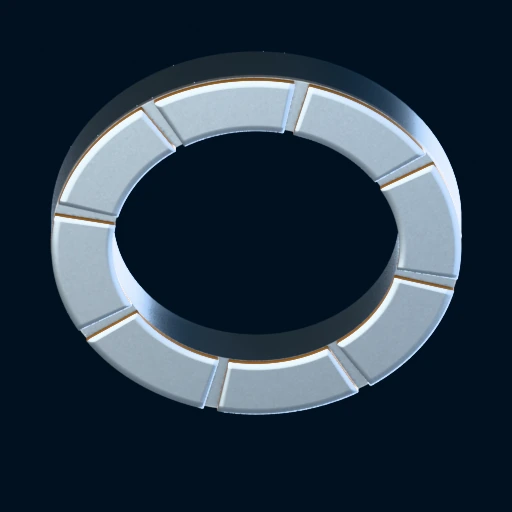
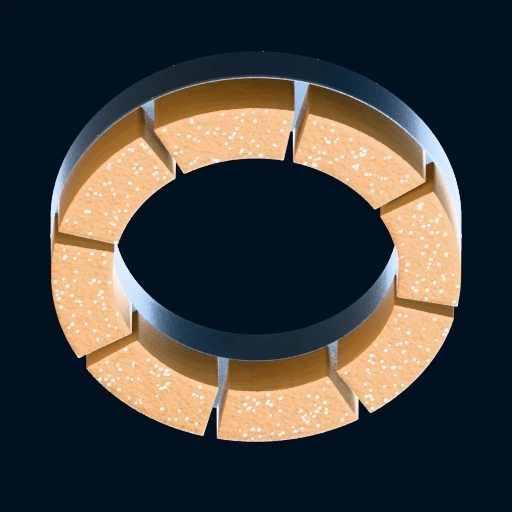
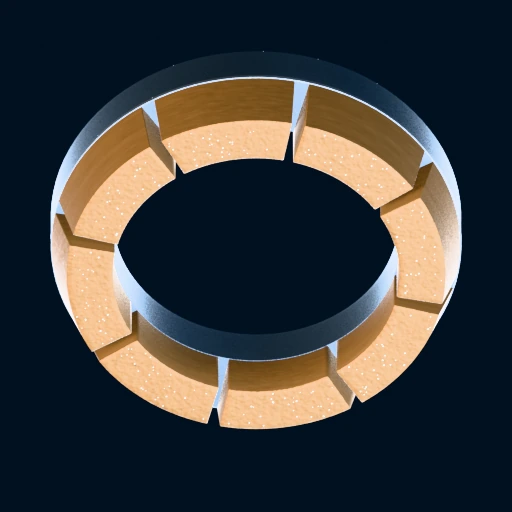
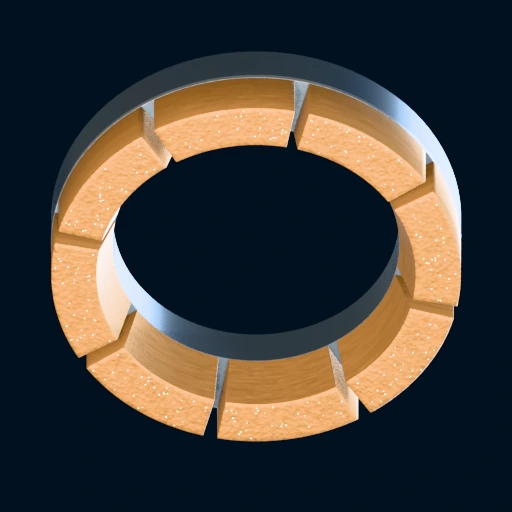
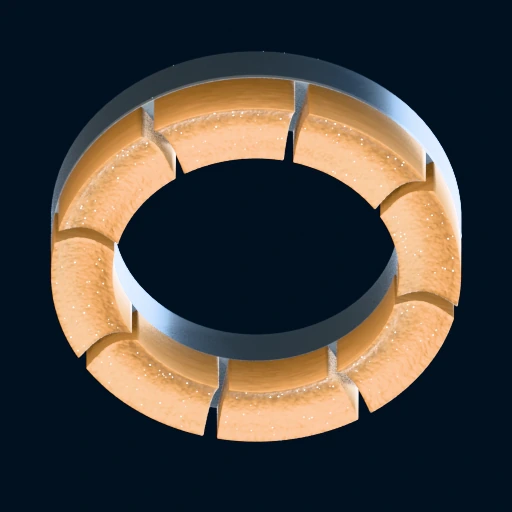
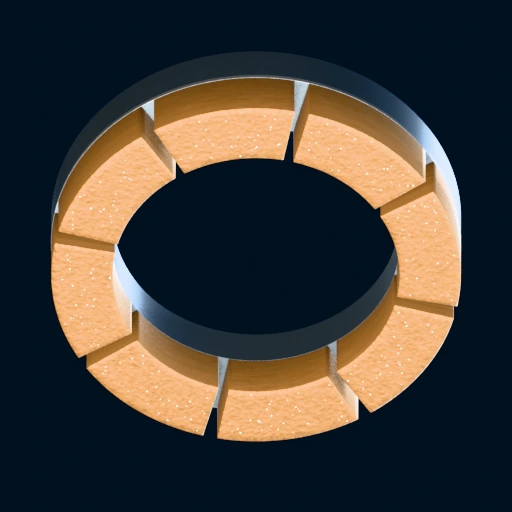
Compare six waterway designs

W — regular 3 mm channels for softer ground or jobs where cuttings removal is less demanding. Check that circulation keeps the cutting face clear.

Explore all waterway designs
More open area
Provides more room for cuttings, while reducing the bearing area of the crown.
Core protection
Face-discharge designs direct flow at the face when direct washing of the core is a concern.

A wider channel does not create more pump flow by itself. Match the waterway to fluid properties, available circulation and ground conditions.

STEP 04 OF 06 / Crown height

Plan for the whole run.

A taller impregnated crown provides more consumable matrix. In a deep hole, extending bit life can reduce the time spent pulling and returning the string. Height still has to suit the formation and wear pattern.

Compare crown heights

13 mm matrix height

Legend & Raptor
13 mm matrix for the standard crown comparison.
Rabbit
Long-matrix options: 18, 23 and 28 mm, for programs where fewer bit changes matter.

Crown height is not a promise of drilled meters. Gauge wear, circulation and drilling practice also determine useful life.

STEP 05 OF 06 / The system

Match the bit to the drill string.

Check the hole size, core barrel series, thread and reaming shell before setting operating parameters. A suitable matrix must also work within the rig’s available rotation, feed and circulation.

Rotation & feed
Consider them together: the load per diamond depends on both cutting speed and feed.
Circulation
Check pump capacity, fluid properties and returns through the entire hole.
Core barrel fit
Confirm the bit, core lifter casing, tubes and reaming shell are compatible.

Start from the operating guidance for the selected bit and equipment. Record changes so the next run can be compared.

Operating parameters

STEP 06 OF 06 / The first run

Read the wear. Refine the choice.

Use the first run to check the selection. Review penetration, recovered core, crown condition and gauge together. A change in formation may call for a different matrix or waterway later in the same hole.

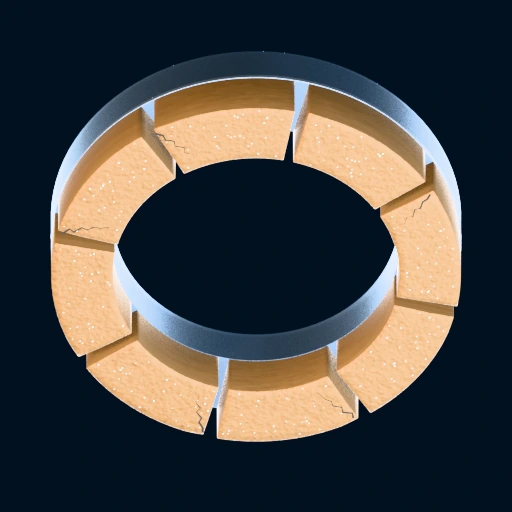
Balanced wear
Even crown wear with exposed cutting diamonds is the target.
Polished face
A slow-wearing matrix or unsuitable operating conditions can leave the diamonds unable to cut effectively.
Rapid matrix loss
Excessive wear can release diamonds early. Check ground, load, speed and circulation before changing the grade.

Compare cost per meter and recovered core quality, alongside penetration rate.

Read the wear

ORE DYNAMICS / Build a selection brief

Make the selection in the right order.

Start with the geology, then check what the drilling system can deliver. Use the guide to narrow the discussion before choosing a specific matrix grade.

01

Ground

Record hardness, grain size, abrasiveness and the condition of the rock. A single rock name rarely describes the full interval.

02

Assembly

Confirm bit outside diameter, core size, barrel series, thread and reaming-shell gauge. Include depth, inclination and any circulation losses.

03

Cutting structure

Match matrix wear to diamond renewal. Then choose crown profile, waterway and matrix height together. A tapered waterway is a fluid channel; it is not a tapered crown profile.

04

Field trial

Agree the initial operating window, log each run and inspect the bit. Use recovered core and total drilling cost to judge the result.

Build your selection brief.

Describe the job to see a product family and design priorities to discuss with our team. No matrix grade is assigned until the ground and equipment details are reviewed.

A starting point for your enquiry

Formation details needed before narrowing the family.

Matrix discussion
Add hardness and abrasiveness before choosing the wear-resistance direction.
Waterway shortlist
Add cuttings size and core condition to compare waterways.
Complete the specification
Add bit size, thread, current matrix, target depth and recent run results when contacting the team.
Email this selection brief

FIELD GUIDE / OPERATING PARAMETERS

Set rotation, load and circulation together.

Rotation, feed and circulation act together. Use the selected bit’s operating window, then adjust from measured penetration, torque, pressure, returns and wear.

01

Rotation

RPM must be considered with bit diameter. The same RPM produces a higher cutting speed on a larger bit. Excessive speed with too little advance may polish the face; unstable rotation can also indicate vibration or limited torque.

Log RPM, torque and penetration together. Make a controlled change and compare the response over the same formation.

02

Weight on bit / feed

Effective load at the cutting face is affected by string weight, buoyancy, friction and the feed system. Hydraulic feed pressure alone is not the bit load. Matrix type and the contact area left by the waterways affect how that load is carried.

Use sufficient load for steady cutting within the approved limits of the bit, rods and rig. Extra load without useful advance is a reason to investigate.

03

Circulation

Fluid must reach the crown, clear the face and carry cuttings back through the annulus. Pump output, fluid properties, leaks and the hole diameter all influence the result. A pressure reading does not prove that enough fluid reaches the bit.

Observe actual returns and changes in pressure. Investigate restrictions or losses before applying more load; restore circulation before resuming loaded drilling.

Turn readings into useful comparisons.

Enter measured values. These calculations describe the current setup; the target operating window is set for the selected bit, drill string and formation.

Rotation and advance

Peripheral speed—m/s
Feed per revolution—mm/rev
Revolutions per centimeter—rev/cm

Enter positive values to calculate.

Rotation and advance / Formulas

Peripheral speed = π × diameter × RPM ÷ 60,000
Feed per revolution = penetration × 10 ÷ RPM
Revolutions per centimeter = RPM ÷ penetration (cm/min)

Annular return velocity

Annular velocity—m/min

Enter positive values to calculate.

This geometric estimate assumes the entered flow returns through the stated annulus. Washouts, restrictions and fluid losses change actual downhole conditions.

Formula

Annular velocity = 4,000 × flow ÷ [π × (hole diameter² − rod diameter²)]

Keep a useful run record.

A good log lets the next crew understand why a setting changed.

  • Depth interval and formation changes
  • Bit series, matrix, waterway and remaining crown
  • RPM, effective feed/load, torque and penetration
  • Pump flow, fluid condition, pressure and returns
  • Core recovery, condition and signs of grinding
  • Meters per bit, trip time and reason for removal

Read changes together.

ROP falls; torque and pressure are steady

Inspect diamond exposure and compare feed against rotation. Check whether the formation has become harder or less abrasive.

Pressure rises; returns fall

Check circulation restrictions, inner-tube adjustment and blocked channels. Increasing load will not clear a hydraulic problem.

Wear accelerates with a formation change

Check abrasiveness, fractures and feed per revolution. Consider matrix retention and gauge protection together.

Vibration or irregular torque increases

Review stabilization, rotation and reaming-shell gauge. Check the hole condition and drill-string compatibility.

FIELD GUIDE / WEAR PATTERNS

What the crown is telling you.

Compare the face, inside and outside gauge, and waterway condition. Similar marks can have different causes, so read the bit alongside the run record.

Balanced wear

Balanced wear

Appearance
Even face wear; diamonds remain exposed and supported.
Check first
Compare gauge and the remaining matrix around the full circumference.
Next step
Continue logging performance and watch for changes in formation.

ORE DYNAMICS / Bit selection

Turn the observations into a specification.

Send the formation, hole size, drilling system and recent bit performance. Our team can help define the series, matrix, crown height and waterway.

  1. Formation & abrasiveness
  2. Bit size & barrel system
  3. Matrix grade
  4. Waterway configuration
  5. Crown height
  6. Operating conditions

We use essential browser storage to remember your choice. With your permission, we can also remember your language. We do not use advertising or analytics trackers.

Read our privacy notice